7.6 Code of Conduct

Page Completion Estimate = 5 Minutes
The supplier code of conduct refers to a set of standards and guidelines that define both ethical and business practices for (potential) suppliers to adhere to if they wish to conduct business with a company. Supplier Code of Conducts sets forth the minimum standards of business conduct that organizations expect from all of their suppliers. Common provisions include:
- Compliance with laws: Suppliers shall comply fully with all laws and regulations applicable to them.
- Environmental sustainability: Organizations may expect its suppliers to demonstrate a clear understanding of the environmental risks, impacts and responsibilities associated with the products and services they provide.
- Human rights and social sustainability: Policies should be in place to confirm the supplier’s commitment, and improvement programs should be in place where relevant.
- Diversity and inclusiveness: Organizations’ sourcing decisions, contracts and management of supplier relationships will reflect and promote the principles of the organization’s Diversity and Inclusiveness policy (incorporating equal opportunities) in that they will seek to ensure that suppliers do not victimize, harass or discriminate against any employee or party to the contract due to their sex, gender identity/expression, marital or civil partnership status, race, ethnicity or national origin, disability, religion, sexual orientation, age or part-time status.
- Ethics: Organizations expect the highest standard of integrity in all of their business dealings. Any and all forms of corruption, extortion, bribery (including facilitation payments), and embezzlement are strictly prohibited and may result in immediate termination and legal action.
- Monitoring: Organizations may conduct annual compliance surveys to confirm compliance with this Supplier Code of Conduct.
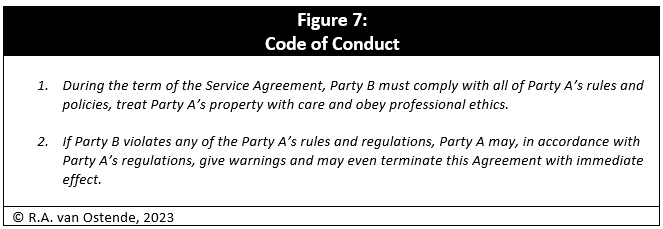
Figure 7 provides a sample text included in service agreements regarding Code of Conduct.